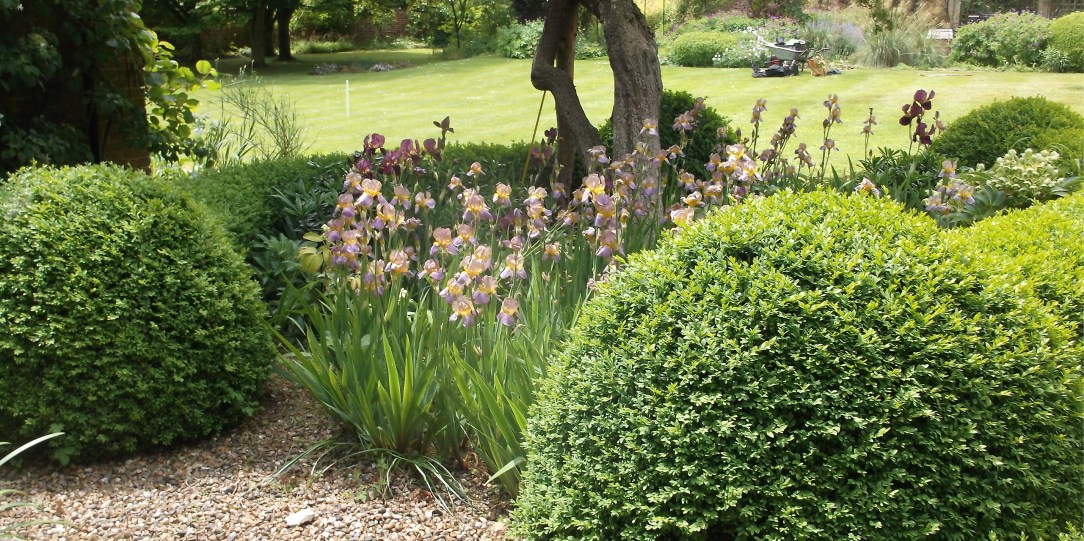
 By
By Kind of Project: A blank canvas.
Design Brief: To create a garden with varying ornamental, productive and biodiversity features befitting such a characterful property.
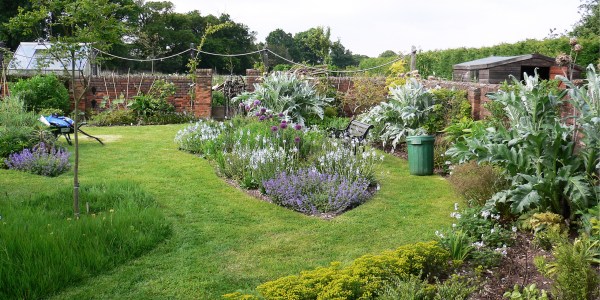
My Solution: I designed various features that radiated out from the house, with formal elements leading to intersected productive areas. This included the construction of a red cedar Victorian lean-to greenhouse for propagation and early crop production, and which include space for houseplants.
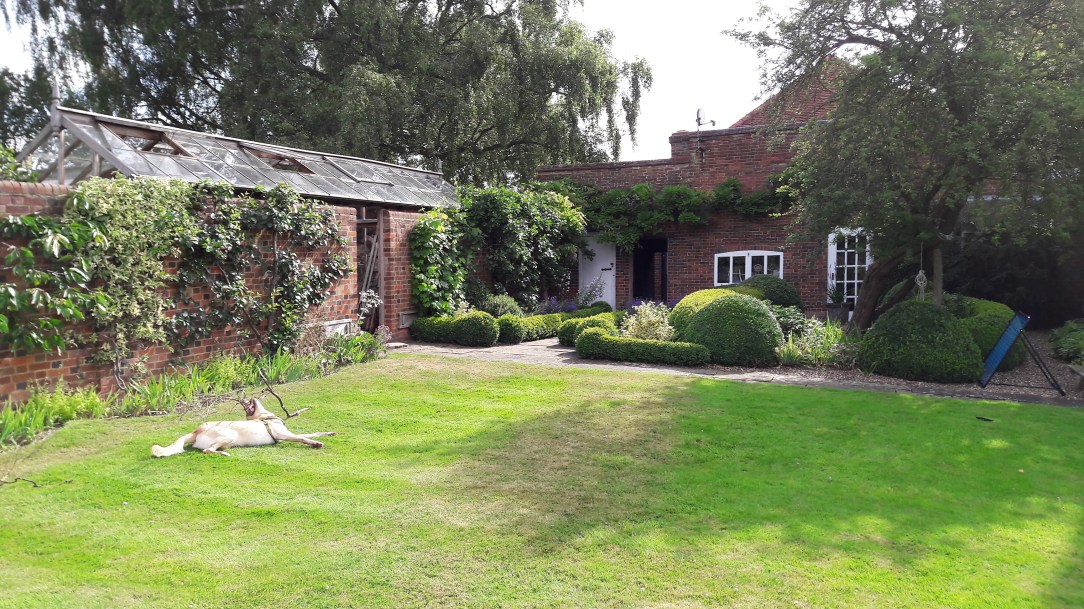
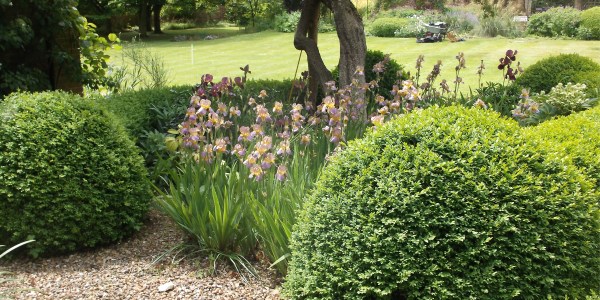
The grounds to the south of the house consisted of mixed shrub and herbaceous borders, together with elements of topiary, to provide structure during the winter months.
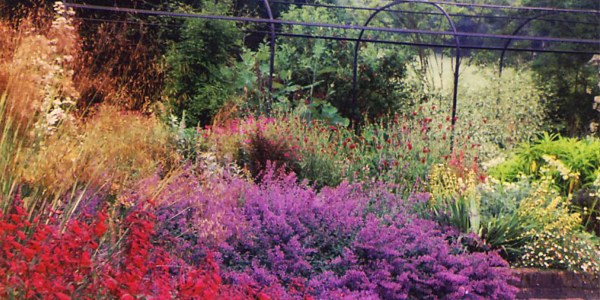
Herbaceous perennials were left up during winter periods to protect plant crowns. This gives cover to overwintering insects and creates attractive areas, particularly when the plants are hoar-frosted.
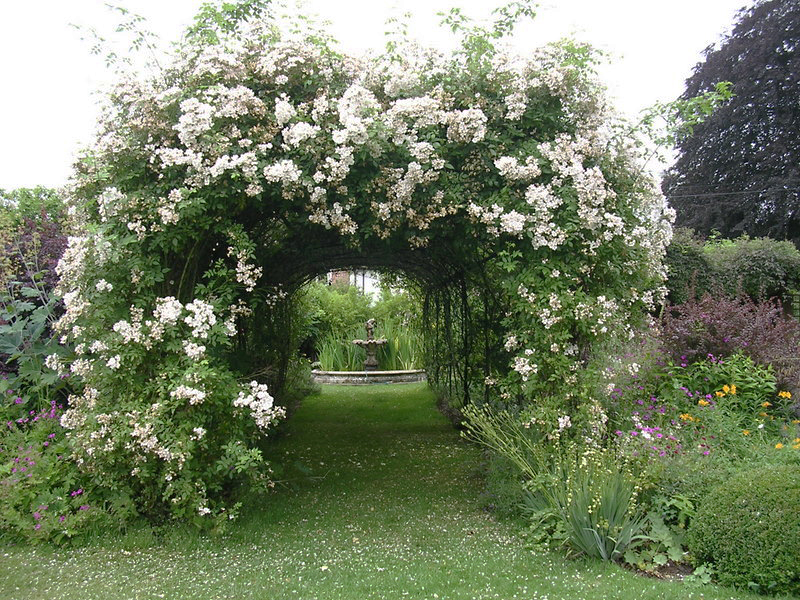
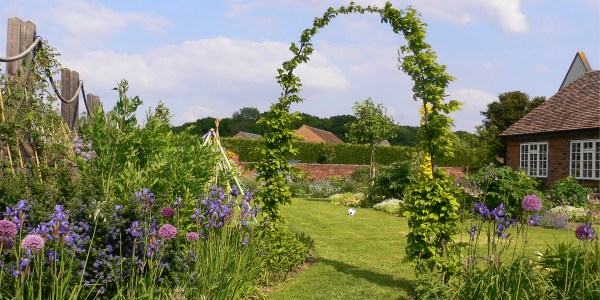
Meanwhile, design focal points draw the eyes to the hidden garden entrance. A pergola dissects an area with cascading rambling roses, which bare wonderful fruits which extend this structure’s seasonal interest into the winter months.
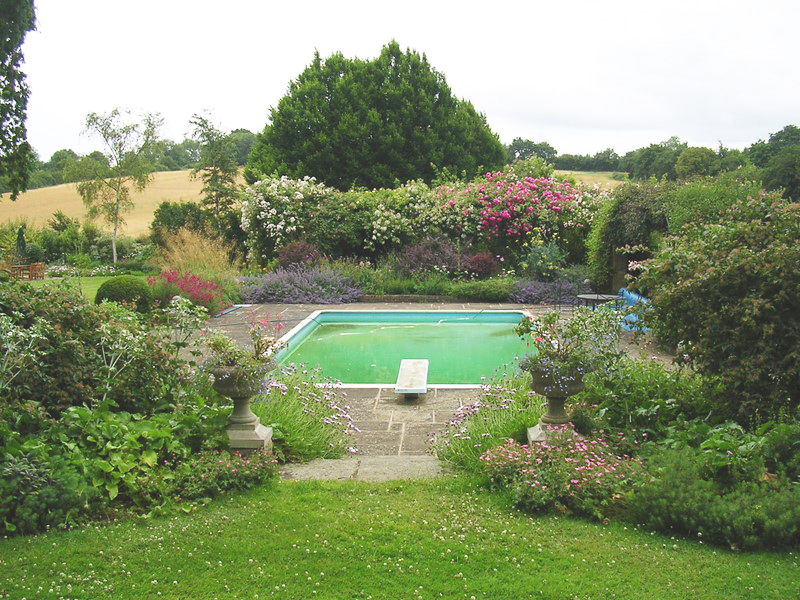
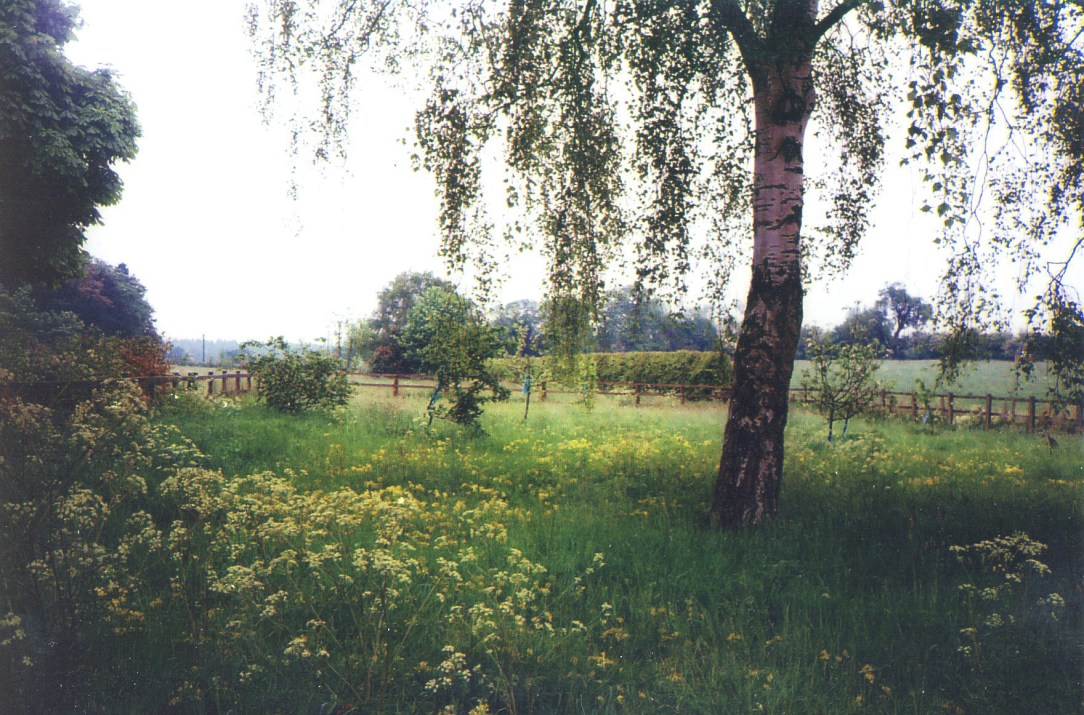
An orchard was created using cultivars of apples originally bred at the Rivers Nursery in Hertfordshire. These were included in a mixed-fruit orchard within a spring wildflower meadow of Cowslips (Primula veris) and Ladies Smock (Cardamine pratensis).
Walnut trees were planted away from the main fruit trees on he orchard’s outer areas as they exude residues from their roots that can deter the productivity and health of surrounding trees.
Beech hedging was used to define the boundary between the productive areas and the paddocks beyond. The paddock’s margins were assigned a mowing regime designed to allow the sward species to diversify. The hedgerows’ native shrub species were supplemented by the winter planting of bare-rooted stock, such as Guelder Rose (Viburnum opulus), Euonymus europeous (spindle tree) and Dogwood (Cornus sanguinea).

 Kevin Pressland